
London’s Music Scene: Where to Shop and Where to Catch a Show!

For the avid music lover visiting London, Denmark Street is where you can find an array of music stores filled with vintage and modern gear. Denmark street is also home to various music venues and clubs such as the 12 bar club which hosts live music on a nightly basis.
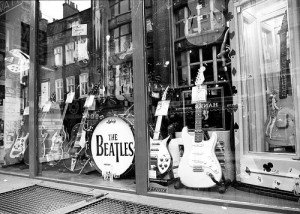
Back in the 1950’s and 1960’s artists such as The Rolling Stones and Jimi Hendrix would set up shop here and produce their first recordings at Denmark Street’s Regent Sounds Studios. Elton John wrote his first released song ‘Your Song’ here.

Outside of Denmark Street popular haunts include Camden Town in North London, where you can find music venues such as Dingwalls and bars always filled with live music such as Camden’s Blues Kitchen.

St. John’ Wood has been a hotspot for tourists since The Beatles first recorded their Abbey Road LP at the infamous recording studio there and took what is now one of the most iconic album covers of all time, outside on the crossing of Abbey Road. You can visit Abbey Road and many more famous London music landmarks on London Magical Tours’ Private London Tours. The studios and much of the recording gear are still in use today for recording and mastering purposes for the budding musician in us.
A Cup Of Tea To Remember

teainlondon

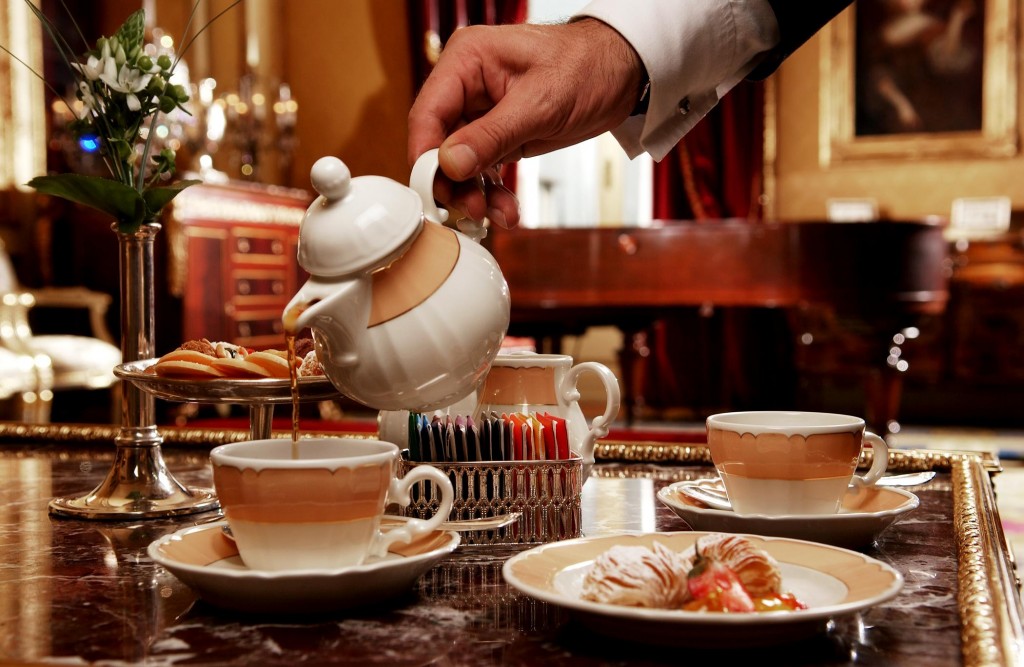
The good old English cup of tea. Renowned throughout the world, revered by many and yet so often the source of much confusion to visitors to London. High tea, low tea, afternoon tea ….. ok we admit it can be a little complex!

Tea drinking is said to have been popularised during the first part of the 19th century, at a time when it was quite common for people to only have two main meals a day – breakfast and dinner. Although luncheon was beginning to catch on, stories accredit a certain Duchess of Bedford by the name of Anna for starting the idea of a serving light snacks with a hot pot of tea to help combat that sinking feeling in the middle of the day, essentially creating a bridge between the main meals.

Noticing how popular this idea became amongst her close circle of friends, it wasn’t long before the Duchess was sending out formal tea party invitations, the idea eventually spreading across all of London’s Victorian high society and beyond.

The upper classes in society, who could afford the addition of what was in reality a third meal, drank tea in the afternoon. This type of afternoon tea was called low tea, drank on comfortable low chairs or sofas. The poorer members of society would instead have a more filling high tea in place of their evening meal at the dinner table, the name referring to the height of the table on which the tea was served.

teainlondon2

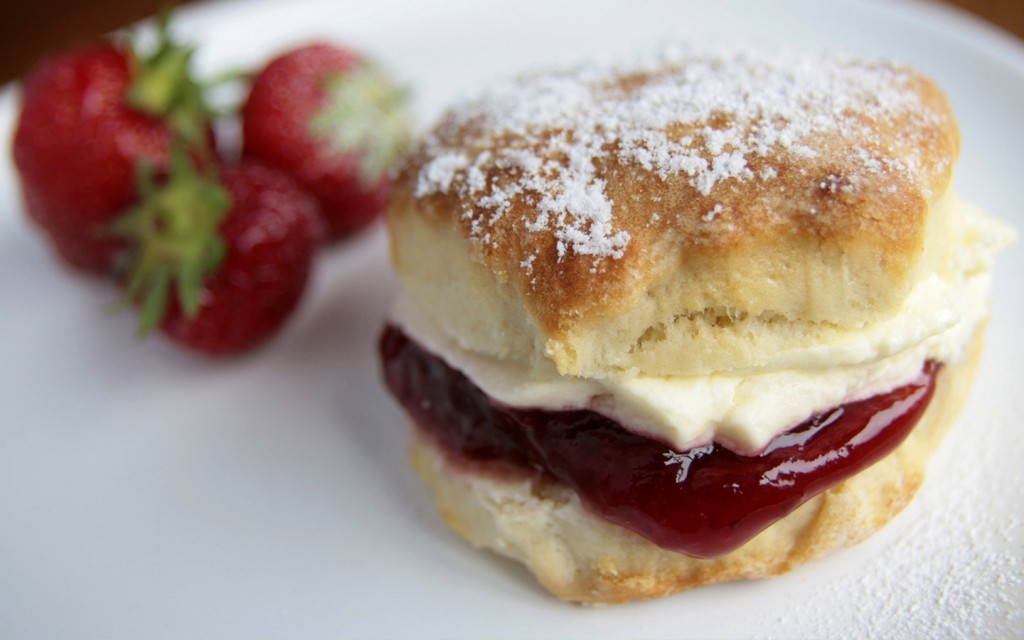
Despite this, visitors to London will today typically find high tea being advertised; over time it is true that the original notion has evolved and the upper classes sought their own version of high tea but instead of the addition of potatoes or even pies, looked to add salmon and fruit. Of course as any good Londoner will tell you – tea today is really an excuse for cake!

We recently caught up with Mrs. Mclease, a guest on one of our private tours of London to share with us a tea drinking experience from her visit to the capital:


Fortnum’s (the shortened name for the store Fortnum & Mason) is an iconic British institution founded as a grocer in 1761. Today it continues to stock a variety of exotic provisions, just one of the reasons why it is an official provider of tea to Her Majesty.

Continue reading